


Non-Skilled Home Care: The “Invisible Infrastructure” That Keeps Families Together
If you’ve ever tried to hold down a job, keep a household running, and also care for a parent who needs help every day—you already understand the core truth of non-skilled home care:
It’s not “basic help.” It’s the infrastructure that keeps a person safe at home and keeps a family from burning out.
Non-skilled home care is often misunderstood because it doesn’t always involve clinical procedures. But in real life, it’s the difference between an older adult staying independent… versus a steady slide into avoidable crises: missed meals, medication mix-ups, falls, isolation, preventable ER visits, caregiver exhaustion, and eventually placement that nobody wanted.
What non-skilled home care really does
Non-skilled care supports daily function—the ordinary tasks that become high-risk when they’re inconsistent or unsafe. Done well, it reduces chaos and creates stability.
High-impact examples:
- Safe routines: consistent wake-up, hygiene, meals, hydration
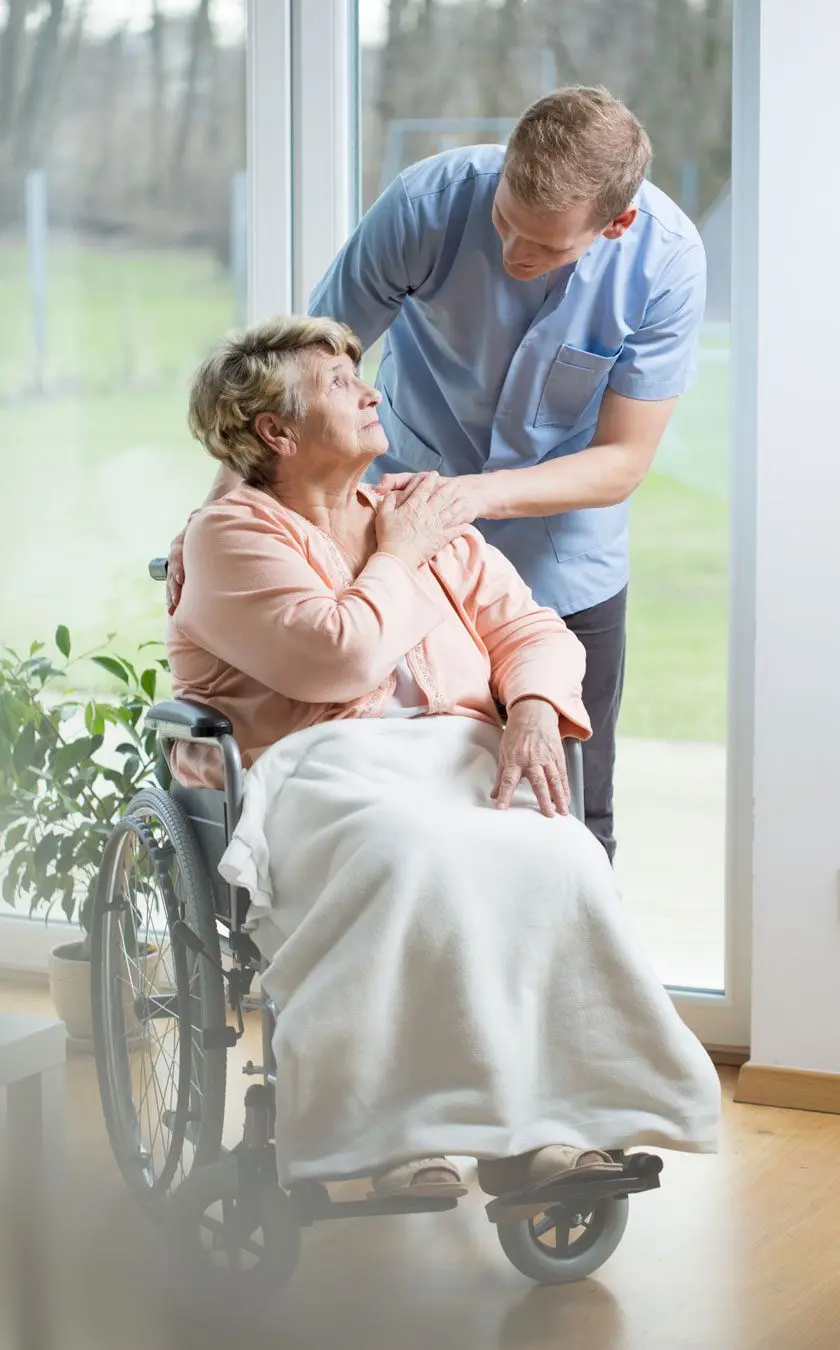
- Mobility support: supervised walking, transfers, fall-risk awareness
- Home safety: light housekeeping that actually prevents hazards (clutter, spills, trip risks)
- Nutrition support: meal prep aligned to dietary restrictions, appetite changes, and fatigue
- Medication support (non-clinical): reminders and organization support (not administering meds unless permitted by regulation)
- Companionship: preventing isolation and cognitive decline triggers
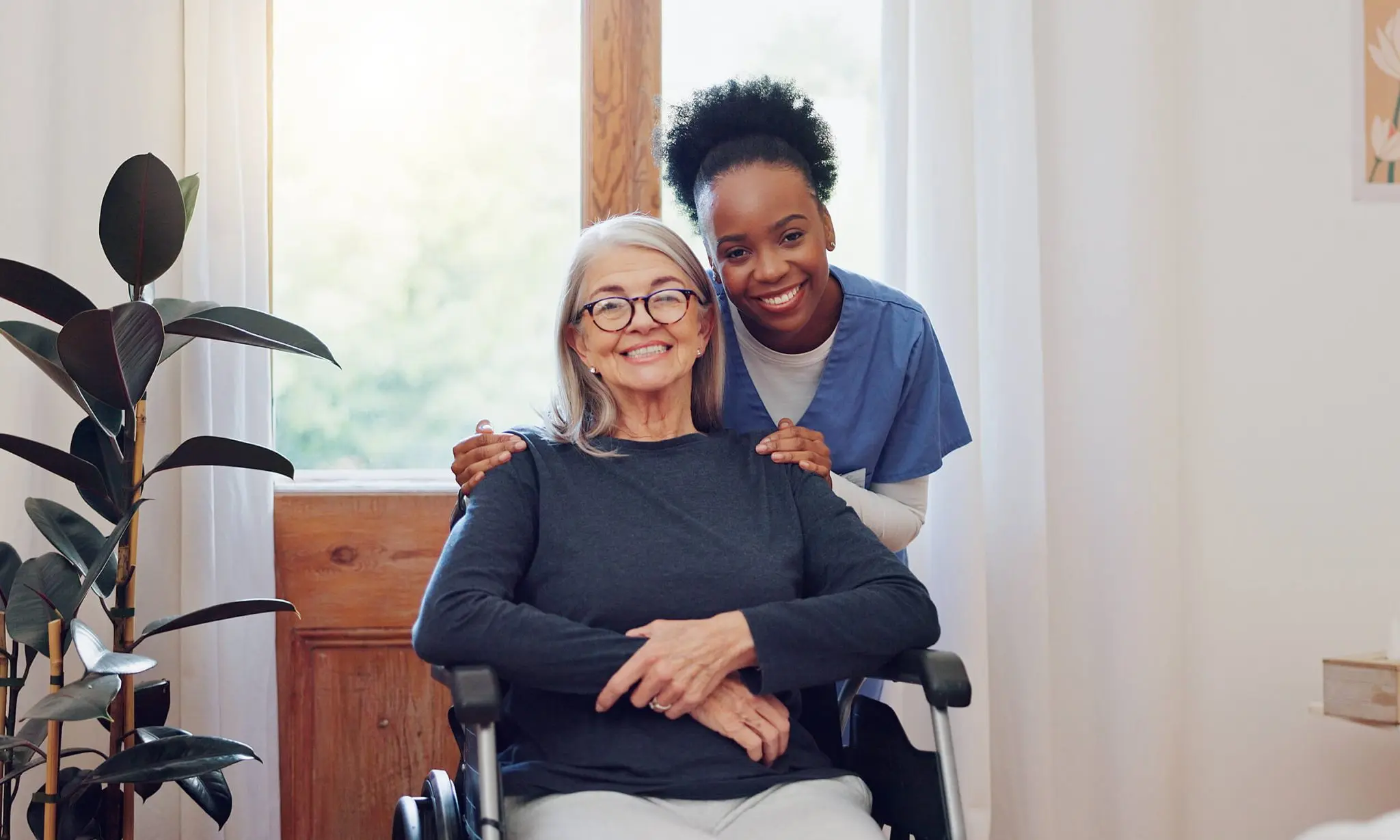
- Family relief: scheduled coverage so the primary caregiver can be a spouse/child again, not a 24/7 staff member
At Firstat Nursing Services, your home care offering is positioned as geriatric private care management—which is a more “executive-level” way to describe what high-quality non-skilled care should be: coordinated, values-driven, and designed to protect quality of life, not just “fill hours.”
The part most agencies don’t say out loud: non-skilled care is a risk strategy
Families usually call for help after a “moment”:
- a fall
- a scary driving incident
- a spouse’s health decline
- a hospitalization that changed everything
But the deeper need is risk control.
Non-skilled home care reduces the probability of:
- falls and secondary injuries
- medication errors due to memory/fatigue
- malnutrition and dehydration
- missed follow-up appointments
- caregiver burnout (one of the biggest drivers of unplanned facility placement)
This is why the best care plans aren’t just “Mon/Wed/Fri 9–1.” They’re designed around risk windows:
- mornings (orthostatic hypotension, confusion)
- evenings (“sundowning,” fatigue, falls)
- showering and transfers (high injury potential)
- meal times (blood sugar swings, choking risk)
How to tell if a home care plan is actually good
A strong non-skilled plan should sound less like a schedule and more like an operating system.
Ask these questions:
- What are the top 3 risks you’re managing for my family member?
If the answer is generic, the plan will be generic. - How do you train caregivers to notice early deterioration?
Non-skilled teams are often first to spot changes. - What does “quality” mean to you—attendance, outcomes, or both?
- How do you communicate changes to the family?
Lack of communication kills trust fast. - How do you design coverage around the hardest parts of the day?
When non-skilled care should be paired with skilled services
Non-skilled and skilled care aren’t competitors. They’re complementary layers.
Consider adding skilled oversight when you have:
- new diagnoses, new meds, or complex comorbidities
- wounds, ostomy care, or fragile skin integrity
- recurring hospitalizations
- infusion needs or medication complexity
- medically fragile status where a lay caregiver cannot safely manage needs
What families should expect from a top-tier provider
You don’t want a “body in the house.” You want a team that makes home feel safe again.
A strong provider delivers:
- consistent staffing and clear accountability
- proactive communication
- care that honors the client’s preferences and dignity
- reliability that lets families plan life again
Bottom line: Non-skilled home care isn’t a luxury. It’s the practical way families keep independence possible—without sacrificing safety or burning out.
If you’re trying to keep a loved one safe at home—and want a plan that’s thoughtful, not cookie-cutter—Firstat Nursing Services serves the Greater Kansas City area across Kansas and Missouri.
By,
Firstat Nursing Services
